
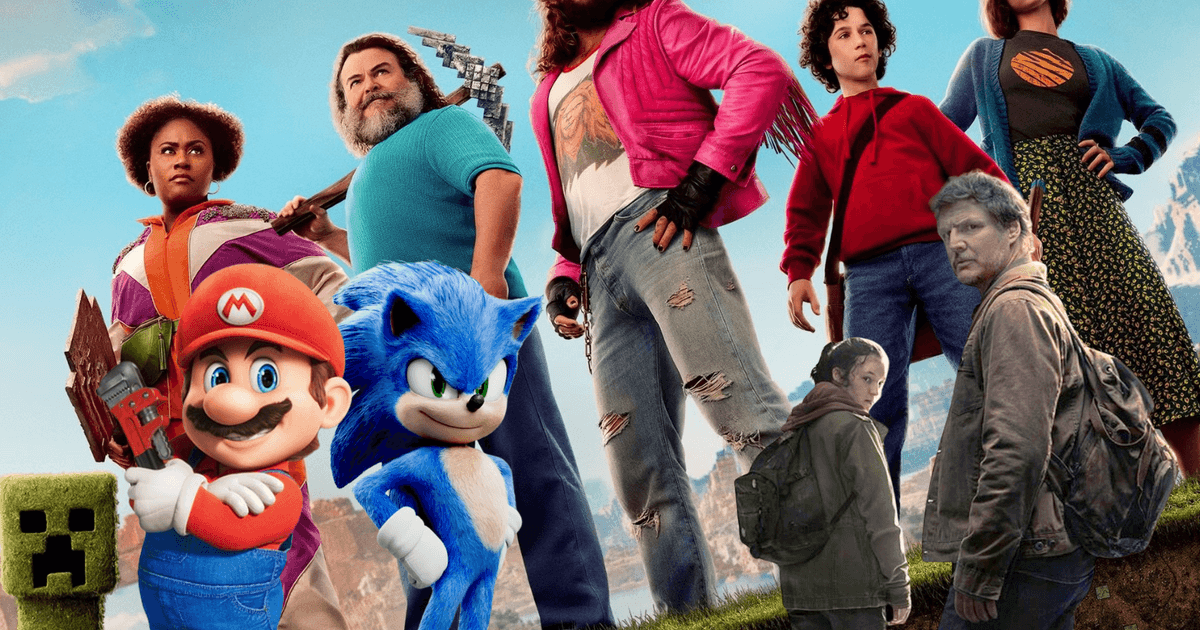
Entertainment looks very different from just five years ago. Back when Friday nights used to mean browsing through television channels or driving to a video rental outlet, we can now start our entertainment journey by launching an app, viewing a tailored web page, and choosing from a variety of enjoyable activities – even before we sit down on the sofa. Films, online games, live streaming and interactive content are all part of a vast, on-demand culinary spread, and how we choose what to watch or play offers clues about what the future holds for entertainment.
This change goes beyond convenience. It’s about control. The audience today expects to be able to choose what they want to see, when they want to see it, on any available screen. Let’s understand how consumers are making these choices – and identify the key trends that define digital entertainment.
The Death of “One-Size-Fits-All” Entertainment
Recently, entertainment was provided to you on a schedule. Channels would decide what to air and when, with online gaming mostly limited to console play, which is typically tied to a TV in your living room. The old way of providing entertainment has almost disappeared.
Now, choice is the default setting. A single evening might include:
- Streaming a new release the moment it drops
- Jumping into a multiplayer match with friends across time zones
- Watching a live esports tournament
- Trying a quick browser-based game during a coffee break
- Exploring casual online games like jetx online, which have grown popular for their fast rounds and low time commitment
Common to all of these options is flexibility. People are no longer dedicated to a single format; they prefer that which aligns with their mood and creates opportunities during the short periods of 5, 15, or 50 minutes of space in our busy lives.
Why Personalization Is the New Currency
The one force transforming what we watch and play is personalization. From streaming services to gaming sites, all major websites are based on recommendation algorithms which can access viewer behavior rather than just the categories of content they view.
A few things are driving this trend:
- More sophisticated algorithms: Recommendations take into account parameters such as viewing speed, time of day, and even the length of time it takes to decide to play a video.
- Multichannel data: Your gaming activities lead to movie suggestions and vice versa, thanks to growing interactions between media platforms.
- Mood-driven watching: Instead of searching for a particular title, an increasing number of people want to find content based on feelings – ‘something relaxing’, ‘something intense’, ‘something that can be watched while doing something else’.
It has changed what “good content” even means. Good content is no longer simply a matter of quality; it is about relevance. The best form of entertainment currently provides an experience which complements your thoughts at this very moment.
The Rise of Hybrid Viewing and Playing Habits
Multitasking is now the rule rather than the exception. The phenomenon of “second-screen” viewing – watching a TV show while browsing a mobile phone or half watching a live stream to play a quick game – is now an integral part of the way we consume media.
As a result, we are seeing several changes:
- Shorter attention spans for passive content that encourages creators to produce content with fast-paced plots and strong hooks in the first few minutes
- An increase in “companion” activities such as casual games or social media apps enjoyed while watching streams
- Growing demand for mobile-friendly formats as smartphones are now the device through which many people consume their entertainment content
Gaming has adapted well to this change. Although earlier-generation consoles and PCs required prolonged, unbroken play sessions, our current world is rich in experiences designed to be played in shorter blocks of time – short rounds, quick results and easy access points.
What People Actually Look for When Choosing Content
Asking 10 people about how they choose their next movie or game yields 10 different responses – yet patterns can be seen. Based on current viewing and playing habits, there are several factors that contribute to making decisions about what we watch or play:
- Speed of access – If it requires more than a few mouse clicks to access, then most people give up.
- Social proof – Ratings, ‘trending’ lists, what our friends are watching or playing have significant weight.
- Visual first impressions – The thumbnail, trailer, or preview clip often give more information about a title than a text description.
- Replay or re-watch value – particularly in gaming, where session-based games benefit from being quick and easy to pick up and play.
- Cost and accessibility – Free trial offers are more popular than those requiring payment upfront.
Factors contributing to this trend help blur the lines between watching and playing. The objective goes beyond simply holding one’s attention – it aims to create seamless transitions between media formats.
Trends Shaping the Next Wave of Digital Entertainment
Looking ahead, there are a few trends that look set to shape the way we enjoy entertainment over the next few years:
- Interactive storytelling – Movies and TV shows that feature choices, drawing inspiration from video game mechanics.
- Live and social viewing – Watch parties and synchronized online viewing sessions are becoming popular ways to enjoy content rather than watching alone.
- Cross-platform services – Services offering films, series and games through a single platform are increasing in number, making it unnecessary to switch between different apps.
- The rise of casual online gaming – Fast and low-stakes games are becoming popular to accompany existing live streaming habits, providing opportunities to make the most of short breaks from social media.
- AI-curated home pages – Websites with tailored front pages for every user, based on their individual behaviors rather than broad categories.
As formats keep evolving, staying engaged means making an active effort to keep up with trends rather than waiting for them to arrive.
Final Thoughts
Digital entertainment is no longer limited to a single path and has transformed into a diverse, adaptable ecosystem. People can easily move between watching movies, series, live streams, and playing games – sometimes within the same hour – with websites providing seamless ways to do so. Whether to watch a full-length feature film, catch a live event, or quickly play a game during short breaks between work, all share the same objective: to enjoy great digital entertainment that complements our current situation, without being tied to any specific form of content.