
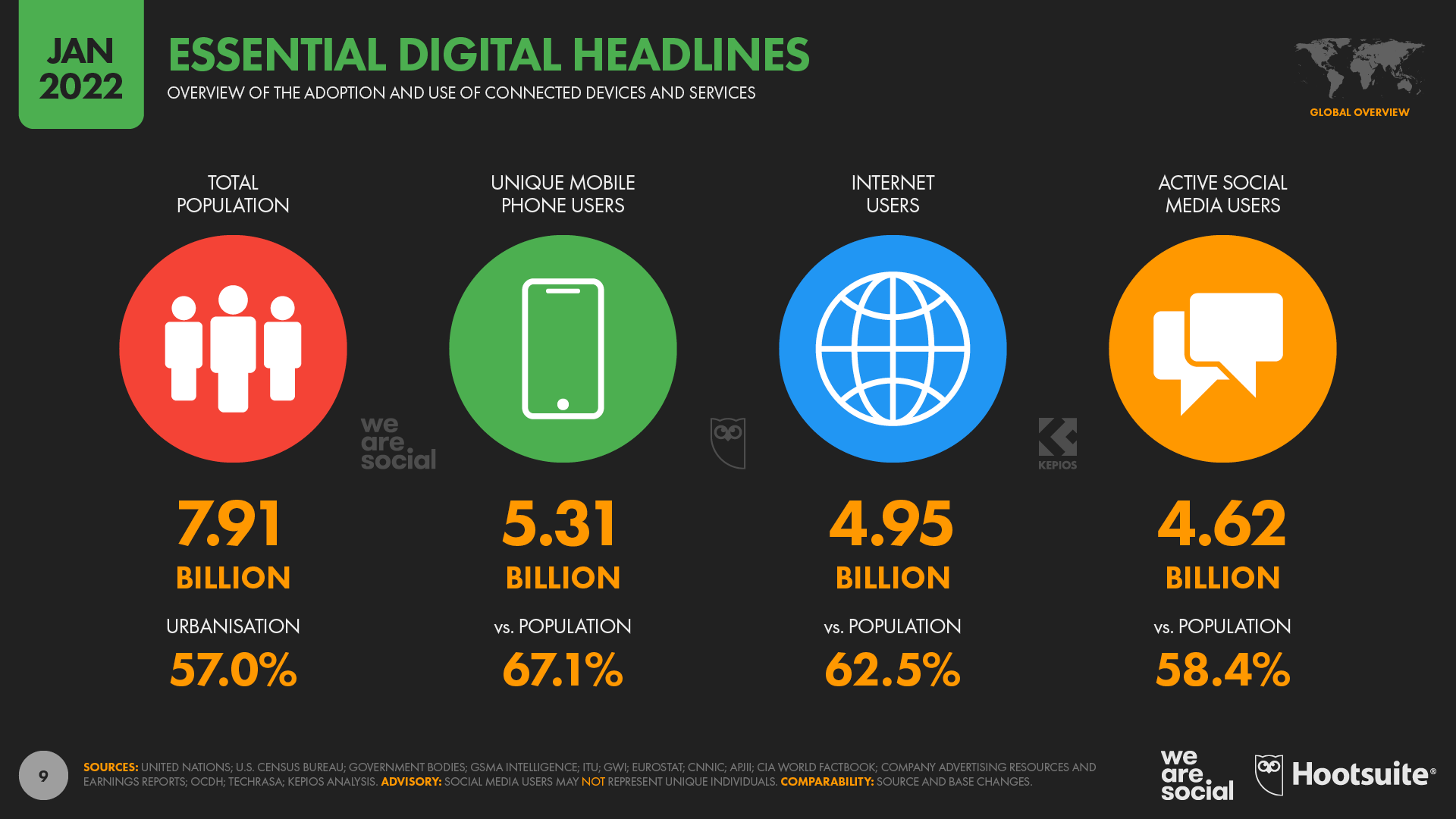
The way people interact with technology continues to transform every aspect of daily life. From communication and entertainment to health, work, and personal development, digital innovations are creating new habits and experiences. Today’s digital lifestyle is not only about owning smart devices but also about using technology to improve convenience, productivity, and overall quality of life. Many online platforms and digital communities are shaping how people explore new trends, including spaces like luxury12a5.com that reflect the growing connection between modern lifestyles and digital experiences.
As technology becomes more integrated into everyday routines, staying updated with digital lifestyle trends can help individuals make smarter choices. Whether it is artificial intelligence, smart homes, digital wellness, or personalized online experiences, these trends are influencing how people live and work in the modern world.
The Rise of Artificial Intelligence in Everyday Life
Artificial intelligence has become one of the most influential technologies shaping the digital lifestyle. AI is no longer limited to research labs or large companies; it is now part of daily activities. Virtual assistants, recommendation systems, smart search tools, and automated applications are helping people save time and make better decisions.
AI-powered tools are improving productivity by assisting with tasks such as writing, scheduling, learning, and business management. Many professionals now use AI applications to organize workflows and enhance creativity. In personal life, AI helps users discover entertainment, manage finances, and receive customized suggestions based on their preferences.
The future of digital living will continue to include AI-driven solutions that provide more personalized and efficient experiences. As these technologies develop, users will increasingly rely on intelligent systems to simplify everyday tasks.
Smart Homes and Connected Living Spaces
Smart home technology is becoming a major digital lifestyle trend as people look for more comfortable and efficient living environments. Connected devices such as smart lighting, voice-controlled assistants, security systems, and automated appliances allow homeowners to manage their spaces with ease.
One of the biggest advantages of smart homes is convenience. Users can control various household functions through smartphones or voice commands. For example, smart thermostats can adjust temperatures automatically, while smart security devices provide better protection and monitoring.
Energy efficiency is another important benefit of connected homes. Smart devices can help reduce energy consumption by optimizing usage patterns. As sustainability becomes more important, smart home technology will continue to grow as a practical solution for modern living.
Digital Wellness and Healthy Technology Habits
While technology provides many benefits, maintaining a healthy relationship with digital devices has become increasingly important. Digital wellness focuses on using technology in a balanced way while protecting mental and physical health.
Many people are adopting healthier digital habits, such as setting screen-time limits, reducing unnecessary notifications, and practicing mindful technology use. Smartphone applications now offer features that track usage patterns and encourage better online behaviors.
Fitness and wellness technology is also expanding rapidly. Smart watches, health tracking applications, and digital fitness programs allow users to monitor activity levels, sleep quality, and overall health goals. These tools make it easier for individuals to take control of their wellness through data-driven insights.
Remote Work and Digital Collaboration
Remote work has changed the way businesses and employees approach professional life. Digital collaboration tools have made it possible for teams to work together from different locations while maintaining productivity.
Video conferencing platforms, cloud-based software, and project management tools have become essential parts of modern workplaces. These technologies provide flexibility and allow professionals to create better work-life balance.
The growth of remote and hybrid work models is also influencing lifestyle choices. Many individuals now prioritize flexible schedules, digital skills, and work environments that support independence. As organizations continue adapting to new workplace structures, digital collaboration will remain a key trend.
Personalized Digital Experiences
Personalization has become a major expectation among technology users. People want digital platforms that understand their interests and provide relevant recommendations. Streaming services, shopping platforms, social networks, and online learning systems are increasingly using data analysis to create customized experiences.
Personalized technology helps users discover content, products, and services that match their preferences. This approach improves convenience and makes digital interactions more engaging.
However, personalization also highlights the importance of privacy and responsible data management. Users are becoming more aware of how their information is collected and used, creating demand for secure and transparent digital services.
The Growth of Digital Entertainment
Entertainment has experienced a significant digital transformation. Streaming platforms, online gaming, virtual events, and interactive content have changed how people consume media.
Traditional entertainment methods are increasingly blending with digital experiences. Users can now enjoy movies, music, games, and live events from almost anywhere. Virtual reality and augmented reality technologies are also creating new possibilities by offering immersive experiences.
The future of digital entertainment will likely focus on greater interaction and personalization. As technology advances, audiences will continue to seek more engaging ways to enjoy content.
Digital Learning and Skill Development
Education has become more accessible through digital platforms. Online courses, virtual classrooms, educational applications, and professional training programs allow people to learn new skills from anywhere in the world.
Digital learning provides flexibility for students, employees, and entrepreneurs. Individuals can improve their knowledge in areas such as technology, business, communication, and creative fields without traditional limitations.
Continuous learning is becoming essential in the digital age because technology changes quickly. Developing digital skills helps people adapt to new opportunities and remain competitive in an evolving environment.
Cybersecurity Awareness and Online Safety
As digital lifestyles expand, cybersecurity has become a critical concern. More online activities mean more personal information is shared through websites, applications, and digital platforms.
Users are becoming more focused on protecting their privacy through stronger passwords, two-factor authentication, secure browsing practices, and awareness of online threats. Businesses are also investing heavily in cybersecurity solutions to protect customer data.
A secure digital lifestyle requires responsible technology use. Understanding online safety practices allows individuals to enjoy digital benefits while reducing potential risks.
The Influence of Wearable Technology
Wearable technology continues to grow as devices become more advanced and useful. Smart watches, fitness trackers, and connected accessories are helping people stay connected while monitoring important personal information.
These devices provide quick access to notifications, health measurements, navigation, and communication features. Their ability to combine convenience with personal insights makes them valuable tools in modern lifestyles.
Future wearable devices may include more advanced health monitoring, improved artificial intelligence features, and deeper integration with other smart technologies.
Sustainable Digital Choices
Sustainability is becoming an important part of digital lifestyle decisions. Consumers are increasingly interested in energy-efficient devices, responsible technology production, and environmentally friendly digital practices.
Companies are responding by developing products that consume less energy and last longer. Cloud technology and digital services are also helping reduce the need for physical resources in many industries.
Making sustainable digital choices allows individuals to enjoy modern technology while supporting environmental responsibility.
The Future of Digital Lifestyle Trends
The digital lifestyle of the future will continue to focus on convenience, personalization, security, and innovation. Emerging technologies such as advanced artificial intelligence, immersive experiences, and smarter connected systems will create new ways for people to interact with the digital world.
However, the most successful digital habits will balance technological advantages with human needs. Technology should enhance life rather than replace meaningful experiences, relationships, and personal well-being.
By following useful digital trends and adopting responsible technology habits, individuals can create a more efficient, connected, and enjoyable lifestyle.
Conclusion
Digital lifestyle trends are reshaping the way people communicate, work, learn, entertain themselves, and manage everyday activities. From artificial intelligence and smart homes to digital wellness and cybersecurity, technology continues to introduce opportunities for improvement and growth.
Keeping up with these trends allows people to take advantage of modern innovations while maintaining balance and security. The future belongs to those who understand how to use technology wisely and create a digital lifestyle that supports both convenience and personal fulfillment.