
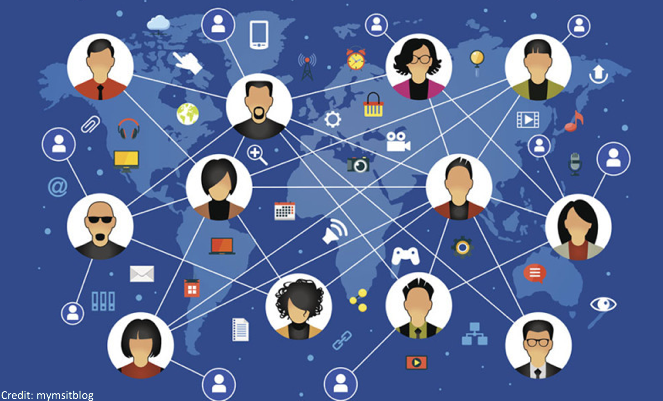
The digital world has transformed the way people communicate, collaborate, and build relationships. In the past, communities were mostly formed around physical locations, shared workplaces, schools, or local interests. Today, technology has removed geographical barriers and created connected digital communities where people from different backgrounds can interact, exchange ideas, and support each other instantly. Platforms, online networks, and digital ecosystems have become powerful spaces for communication, learning, business, and social engagement. The growing influence of online communities can be seen across many industries, including entertainment, education, commerce, and lifestyle platforms such as luxury111cz.com.
Connected digital communities represent a major shift in how individuals participate in modern society. These communities are not simply groups of people using the internet; they are active networks where members contribute content, share experiences, solve problems, and create meaningful connections. As technology continues to advance, these communities are becoming more personalized, interactive, and influential in shaping everyday experiences.
Understanding Connected Digital Communities
A connected digital community is an online environment where individuals come together around common interests, goals, values, or activities. These communities may exist on social media platforms, forums, professional networks, gaming spaces, online learning platforms, or specialized websites. Unlike traditional communities that depend on physical interaction, digital communities allow people to participate regardless of their location.
The foundation of these communities is connectivity. High-speed internet, smartphones, cloud technology, and advanced communication tools have made it easier than ever for people to stay connected. Users can share knowledge, discuss ideas, and build relationships in real time. This accessibility has encouraged millions of people to become active participants rather than passive consumers of information.
Digital communities also provide opportunities for collaboration. A person in one country can work with someone thousands of miles away, exchange expertise, and create solutions together. This global approach has changed the way people think about communication and cooperation.
The Evolution of Online Interaction
The growth of connected digital communities has developed alongside the evolution of the internet. Early online communities were often simple discussion boards and chat rooms where users exchanged messages. While these platforms created the foundation for digital interaction, modern communities are far more advanced.
Today’s digital spaces include multimedia content, live discussions, virtual events, artificial intelligence tools, and personalized recommendations. Social platforms allow users to create videos, share opinions, and interact with audiences worldwide. Businesses use digital communities to understand customer needs, while individuals use them to develop personal and professional networks.
The introduction of mobile technology has accelerated this transformation. People no longer need to sit at a computer to participate in online communities. Smartphones provide constant access, allowing users to communicate, learn, and engage whenever and wherever they choose.
The Role of Technology in Building Digital Connections
Technology is the driving force behind the expansion of digital communities. Several innovations have contributed to their rapid growth:
Social Media Platforms
Social media has become one of the most powerful tools for creating connected communities. Platforms allow people to follow shared interests, participate in discussions, and build relationships with others who have similar passions. These networks have changed how information spreads and how people interact with brands, organizations, and each other.
Artificial Intelligence and Personalization
Artificial intelligence has improved digital experiences by helping platforms understand user preferences. AI-powered recommendations, automated assistance, and smart search features help users discover relevant content and connect with communities that match their interests.
Cloud-Based Technology
Cloud technology enables communities to store, share, and access information efficiently. Online collaboration tools, digital workspaces, and virtual learning environments depend on cloud systems to provide seamless experiences for users around the world.
Mobile Connectivity
Mobile devices have made digital participation more convenient. Users can join discussions, attend virtual events, and access community resources from almost anywhere. This constant connectivity has strengthened the relationship between people and digital platforms.
Benefits of Connected Digital Communities
Connected digital communities offer numerous advantages for individuals, businesses, and society as a whole.
Global Communication
One of the greatest benefits is the ability to communicate globally. People can connect with others from different cultures, exchange perspectives, and develop a deeper understanding of international ideas and experiences.
Knowledge Sharing
Digital communities encourage learning through collaboration. Members can share skills, provide advice, and help others overcome challenges. Educational communities, professional networks, and interest-based groups have become valuable sources of information.
Business Growth and Customer Engagement
Companies increasingly recognize the importance of digital communities. These communities allow businesses to interact directly with customers, gather feedback, and build stronger relationships. Instead of one-way communication through traditional advertising, brands can create ongoing conversations with their audiences.
Support and Collaboration
Many online communities provide emotional, professional, or practical support. People facing similar challenges can connect, share experiences, and find solutions together. This sense of belonging is one of the strongest reasons digital communities continue to grow.
The Impact on Businesses and Brands
The rise of connected digital communities has changed the relationship between businesses and consumers. Modern customers expect more than just products or services; they want meaningful interactions and personalized experiences.
Brands that actively participate in digital communities can develop stronger trust and loyalty. By listening to customer feedback and engaging in conversations, companies can better understand market demands. Community-driven approaches also encourage customers to become brand advocates who share their experiences with others.
Digital communities have also created new opportunities for entrepreneurs and small businesses. Online platforms allow individuals to reach global audiences without requiring traditional marketing methods. A creative idea, valuable service, or unique product can gain recognition through community engagement and digital visibility.
Challenges Facing Digital Communities
Although connected digital communities provide many advantages, they also face several challenges. Managing these challenges is essential for creating safe and valuable online environments.
Privacy Concerns
As people share more information online, protecting personal data has become increasingly important. Digital platforms must focus on security measures and transparent privacy policies to maintain user trust.
Misinformation
The rapid spread of information can sometimes lead to inaccurate or misleading content. Communities need effective moderation systems and responsible users to ensure that discussions remain reliable and constructive.
Digital Divide
Not everyone has equal access to technology or high-speed internet. The digital divide remains a challenge, preventing some individuals from fully participating in online communities.
Online Behavior
Maintaining respectful communication is another important issue. Successful communities require clear guidelines and active management to prevent harmful interactions and encourage positive engagement.
The Future of Connected Digital Communities
The future of digital communities is expected to become even more interactive and immersive. Emerging technologies such as virtual reality, augmented reality, and advanced artificial intelligence will create new ways for people to connect.
Virtual environments may allow users to participate in realistic digital experiences, attend online events, and collaborate in more engaging ways. AI tools will continue improving personalization, helping users find communities and conversations that are most relevant to them.
The concept of digital identity is also likely to evolve. People may develop stronger online identities connected to their interests, skills, and professional activities. These identities will influence how individuals participate in digital spaces and interact with others.
How Individuals Can Benefit From Digital Communities
To gain the most value from connected digital communities, individuals should actively participate and contribute positively. Joining communities related to personal interests, professional goals, or learning opportunities can open doors to new relationships and experiences.
Sharing knowledge, respecting different opinions, and engaging in meaningful conversations helps create stronger networks. Digital communities are most successful when members contribute rather than simply consume information.
Individuals should also practice responsible digital habits by protecting personal information, verifying sources, and maintaining respectful communication. These actions help create healthier online environments for everyone.
Conclusion
The rise of connected digital communities marks one of the most significant developments in modern communication. Technology has transformed how people interact, collaborate, and build relationships across the world. These communities provide opportunities for learning, business growth, social connection, and innovation.
As digital technology continues to evolve, connected communities will become even more important in shaping the future of communication and collaboration. Their success will depend on creating inclusive, secure, and meaningful environments where people can connect and contribute. By embracing the possibilities of digital communities while addressing their challenges, society can continue building a more connected and collaborative future.